
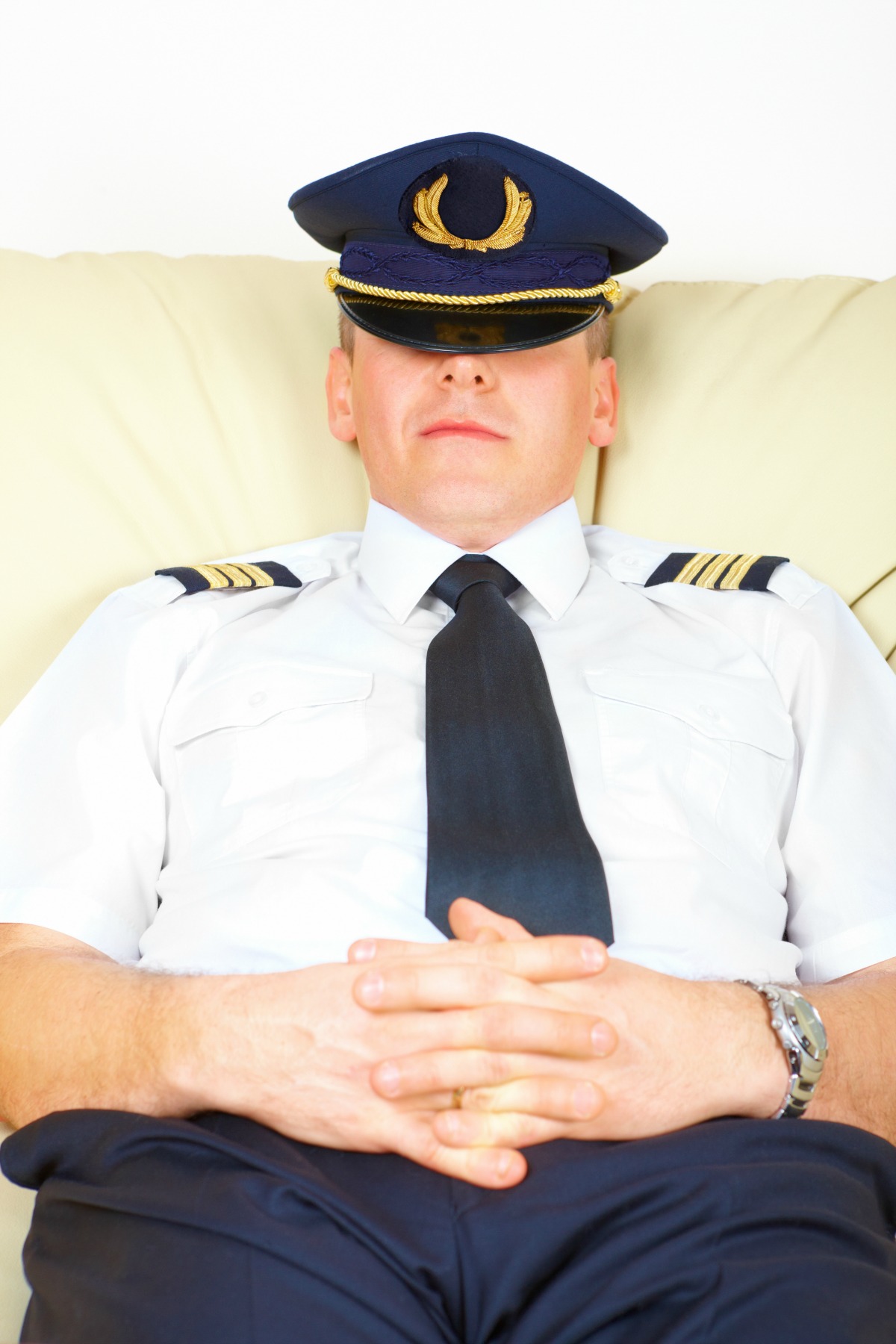
What is Pilot’s Fatigue?
If you are a pilot, or any aviation professional, you may have come into contact with the term “pilot’s fatigue”. This term has been thrown around and a topic of debate for many years, mostly between pilots and their managers. Pilot’s fatigue can become a safety hazard when not addressed so in this blog we will define pilot’s fatigue so that you might be able to recognize it. We will also offer tips on how to prevent pilot’s fatigue.
By definition, fatigue is weariness. From an operational standpoint, according to the FAA, fatigue can be defined as “a condition characterized by increased discomfort with lessened capacity for work, reduced efficiency of accomplishment, loss of power or capacity to respond to stimulation, and is usually accompanied by a feeling of weariness and tiredness.” Fatigue is still considered one of the top flight hazards.
So why is fatigue such an issue? And if fatigue is clearly a safety concern, what is there to debate? The true debate lies in the identification of fatigue. Because there are so many various cases that characterize fatigue, identifying it can be a challenge. Most pilot’s will experience acute fatigue at some point in their life. Acute fatigue is short-lived and often caused by insufficient sleep. Since pilots are always managing tight schedules, various time zones, and long work hours, fatigue can be common. However, once you have identified fatigue it is very important that you take steps to ensure you resolve it.
Causes of Pilot’s Fatigue
Here are some common causes of pilot’s fatigue:
- Inadequate sleep due to biological clock disruptions, such as flying through different time zones
- Night flights or early monring report times that occur during normal hours of sleep
- The requirement to sleep during daylight hours
- Sleep restrictions related to short lay-overs
- sleep disorders, such as insomnia
- mental boredom associated with long-haul flights
- stress, anxiety, or depression
- Poor nutrition or illness
Prevention
While companies and organizations, including the FAA, have regulations in place to help manage and avoid fatigue, there is still a responsibility of the pilot to take specific steps to ensure they are not battling fatigue while also trying to fulfill their duties. Here are some things you can do off duty or outside flight hours:
- Contain 8 consolidated hours of sleep every 24 hours
- Practice good sleep hygiene techniques to ensure good quality of sleep
- Exercise regularly and maintain a healthy balanced diet
- Learn about and practice stress-reduction techniques to fight stress-induced fatigue
There are also some techniques you can do during flight hours or while on duty that will help to fight off fatigue or prevent it completely:
- Rotate flight tasks
- Alternate period of activity and relaxation during long flights
- Move about the cabin if possible
- Try pre-planning naps
Sources:
https://www.faa.gov/pilots/safety/pilotsafetybrochures/media/Fatigue_Aviation.pdf
http://aviationknowledge.wikidot.com/aviation:pilot-fatigue